
When it comes to commercial printing, two of the most widely used methods are digital printing and offset printing. Each has distinct advantages, ideal use cases, and cost structures that make them better suited for different project needs. Below, we break down their core differences, strengths, and ideal applications to help you choose the right solution for your next print project.
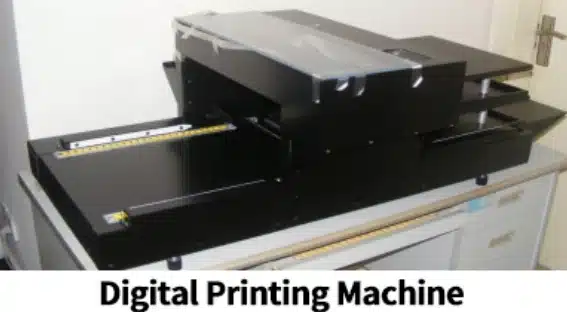
Digital Printing: Fast, Flexible, and Perfect for Small Runs
Digital printing is a modern method that transfers digital files directly to the printing surface, eliminating the need for traditional printing plates. It’s the go-to choice for businesses and individuals needing quick, cost-effective results for smaller quantities.
Key Features of Digital Printing
1.No printing plates required: Eliminates the time and cost of creating metal or plastic plates, making setup fast and straightforward.
2.Direct file-to-press workflow: Print directly from PDF, AI, or other digital files, reducing errors and streamlining production.
3.Rapid turnaround: Setup takes minutes, not hours, so you can get your finished products in days (or even hours for urgent orders).
4.Cost-effective for small batches: Ideal for runs of 1–500 pieces, as there are no plate-related setup fees driving up costs for low-volume orders.
5.Good color consistency: While not as precise as offset printing, modern digital presses deliver reliable color matching suitable for most business and marketing needs.
6.Variable data capability: Easily customize each print (e.g., personalized names, unique codes) without extra cost or complexity—a feature offset printing cannot match.
Ideal Use Cases
● Product samples and prototypes
● Short-run marketing materials (flyers, business cards, brochures)
● Urgent orders with tight deadlines
● Personalized print projects (variable data, custom designs)
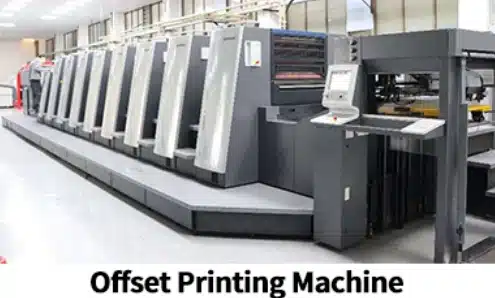
Offset Printing: Premium Quality for Large-Volume Projects
Offset printing is a traditional, high-precision method that transfers ink from a metal plate to a rubber blanket, then onto the printing surface. It’s the industry standard for large runs requiring exceptional color accuracy and professional finish.
Key Features of Offset Printing
1.Requires custom metal plates: Each color in your design needs a dedicated plate, which adds upfront setup time and cost but ensures consistent, sharp results.
2.Lower per-unit cost at scale: While setup costs are higher, the unit price drops dramatically for runs of 500+ pieces (1,000, 5,000, or even 10,000+), making it highly economical for bulk orders.
3.Superior color consistency and sharpness: Delivers precise Pantone color matching, crisp text, and vibrant, true-to-life images—far superior to digital printing for high-end visuals.
4.Versatile substrate support: Works seamlessly with a wide range of materials, including thick cardstock, coated paper, and specialty finishes (gloss, matte, metallic).
5.Professional, luxury finish: Produces museum-quality results ideal for premium products, where visual appeal and durability are critical.
Ideal Use Cases
● Large-volume marketing collateral (catalogs, magazines, posters)
● High-end packaging and luxury product labels
● Art prints, books, and other publications requiring precise color reproduction
● Bulk orders where consistent quality and cost per unit are top priorities
Quick Comparison: Digital vs. Offset Printing
| Aspect | Digital Printing | Offset Printing |
| Setup Time/Cost | Low setup time & cost (no plates) | High setup time & cost (requires plates) |
| Best Run Length | 1–500 pieces | 500+ pieces (optimal at 1,000+) |
| Color Quality | Good consistency, suitable for most uses | Exceptional precision & color matching |
| Per-Unit Cost | Higher for large runs | Lower for large runs |
| Variable Data | Supported (personalization-friendly) | Not supported |
| Turnaround Time | Fast (same-day/next-day possible) | Longer (plate creation adds lead time) |
Which One Should You Choose
● Choose digital printing if you need small quantities, fast delivery, or personalized prints (e.g., samples, urgent marketing materials).
● Choose offset printing if you need large volumes, premium color quality, or a luxury finish (e.g., bulk catalogs, high-end packaging, art prints).
At Chensheng, we offer both digital and offset printing services to meet every project’s unique needs. Whether you’re launching a small-batch product line or a large-scale marketing campaign, our team will help you select the best method to deliver exceptional results on time and within budget.
